
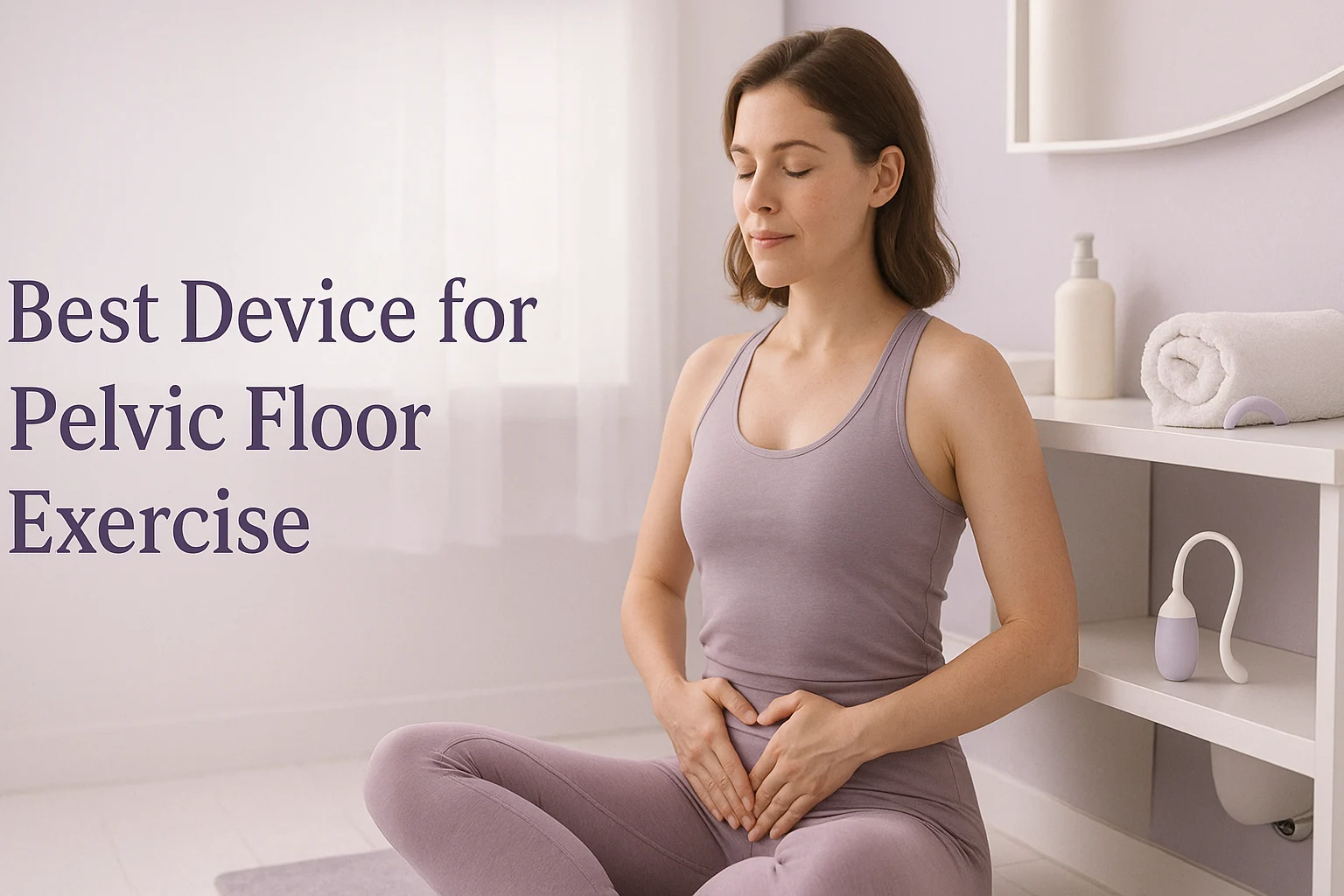
Tired of leaks ruining your day? These smart devices track your squeezes, helping you ensure your pelvic floor exercises are effective.
Many people, especially women after childbirth or as they age, face challenges with their pelvic floor muscles. These vital muscles act like a hammock, supporting your bladder, bowel, and uterus. However, weak pelvic floor muscles can cause issues like accidental leaks when you cough or laugh, or a feeling of heaviness. Fortunately, strengthening these muscles with Kegels is easier than ever with a device for pelvic floor exercise, especially for pelvic floor exercises for post-pregnancy. In fact, modern technology makes it simple to train at home, eliminating guesswork.
In 2025, pelvic floor training tools use biofeedback, app connectivity, and personalized programs that can help you make every squeeze count. Consequently, this guide explores the best pelvic floor devices, helping you choose the perfect tool to regain confidence and strength. To better understand how these tools fit into your body’s overall pelvic care, visit our complete guide to women’s pelvic health.
Table of Contents
- Why Your Pelvic Floor Matters
- Types of Pelvic Floor Trainers (Pros & Cons)
- Best Device for Pelvic Floor Exercise in 2025 (Top 7 Reviewed)
- How to Choose the Best Pelvic Floor Exercise Device
- Tips for Using Your Pelvic Floor Device Effectively
- Quick Summary: Top Picks
- Top 3 Devices: Pros & Cons
- Pelvic Floor Exercise Device Comparison Chart
- Frequently Asked Questions About Devices for Pelvic Floor Exercise
- Conclusion
Why Your Pelvic Floor Matters
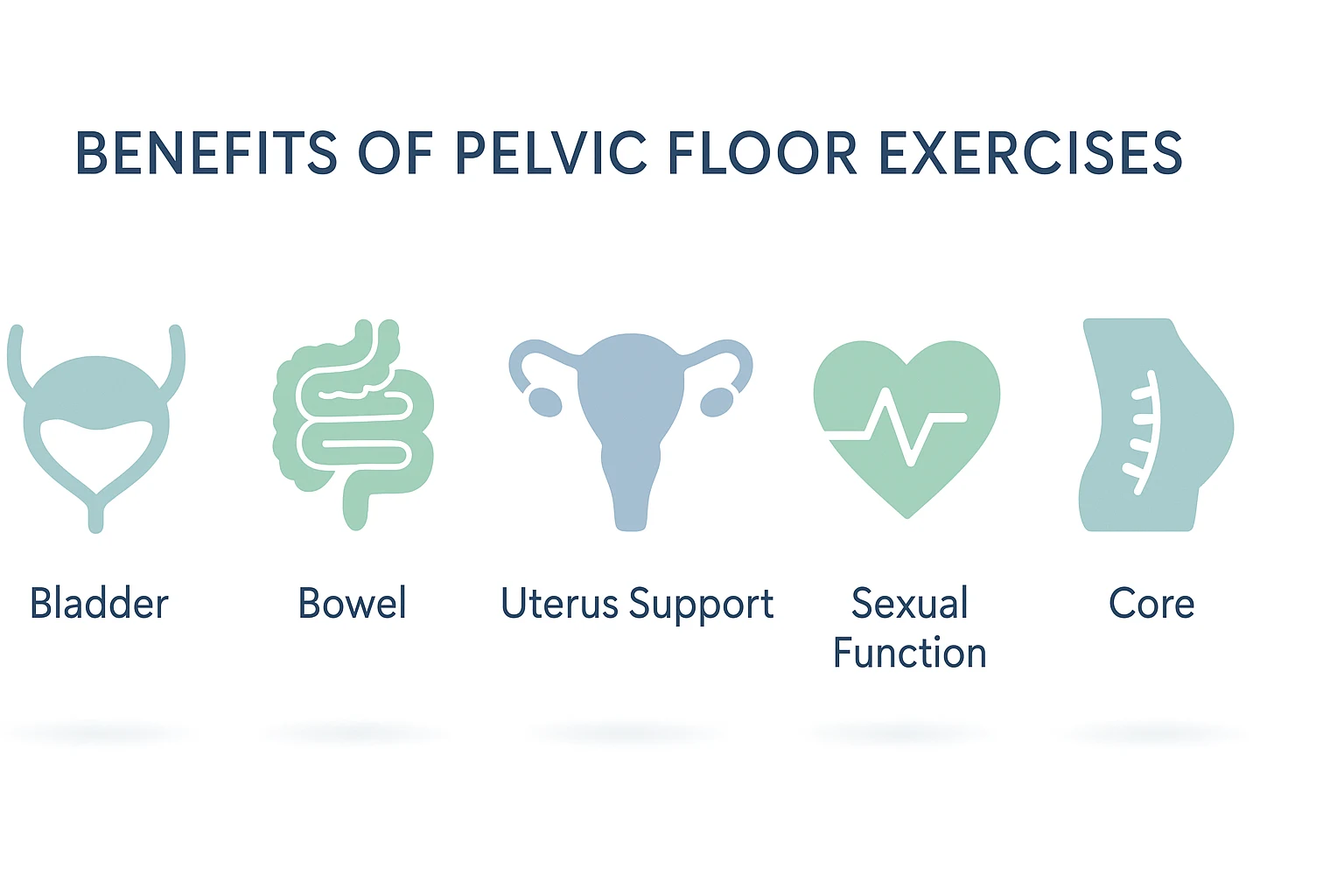
Your pelvic floor is a group of muscles stretching like a sling from your tailbone to your pubic bone. Specifically, these muscles are crucial for:
- Bladder Control: Managing urine flow.
- Bowel Control: Assisting with bowel movements.
- Organ Support: Holding your bladder, uterus, and rectum in place.
- Sexual Health: Enhancing sensation and orgasm.
- Core Stability: Supporting your spine alongside abdominal and back muscles.
Weak pelvic floor muscles may contribute to urinary incontinence, pelvic organ prolapse, or reduced sexual sensation, according to pelvic health experts. [Source: Mayo Clinic guide on Kegel exercises]. Strengthening them with a device for pelvic floor exercise or complementary tools can support better control and comfort. For technique basics, see the NIDDK overview of Kegel exercises.
This post has affiliate links. We may earn a commission. Learn more.
Types of Pelvic Floor Training Tools (Pros & Cons)
When exploring pelvic floor trainers, you’ll find several types of devices for pelvic floor exercise, each designed to enhance your training:
Biofeedback Trainers
These devices provide real-time feedback by showing your muscle activity. For instance, a sensor inserted vaginally connects to an app or display, visualizing your squeezes as lines, bars, or game characters. As a result, you learn proper Kegel technique with precision, making them a top choice for an at-home pelvic floor device.
Smart Kegel Exercisers
Smart Kegel exercisers are small, user-friendly gadgets you insert, connecting to an app on your phone. They guide you through Kegels with gentle vibrations or app prompts, tracking your progress like a supportive coach.
App-Connected Pelvic Floor Trainers
These trainers connect with apps to guide your workouts and track your progress. Whether it’s a sleek sensor or a weighted ball, the app provides clear guidance to help you meet your goals.
Vibrating Kegel Balls/Weights
These silicone devices offer resistance to engage your muscles. Some include vibrations to enhance muscle awareness. Although they lack direct feedback, they’re great for building basic strength.
Pelvic Floor Stimulator & EMS Trainers
An EMS pelvic floor device like the TheraPulse Duo combines biofeedback with electrical muscle stimulation (EMS) for versatile training, ideal for rehabilitation under professional guidance. These devices are particularly effective for those needing both active training and passive muscle stimulation.
EMS may help pelvic muscle activation for some people. Discuss settings, frequency, and safety with a qualified clinician—especially after surgery or when pain is present.
“Real-time feedback from a device for pelvic floor exercise is a game-changer. It helps you check your technique and can boost confidence.” — Pelvic Health Specialist
Best Device for Pelvic Floor Exercise in 2025 (Top 7 Reviewed)
Here are the best pelvic floor devices available this year, with concise features, pros, cons, and price ranges.
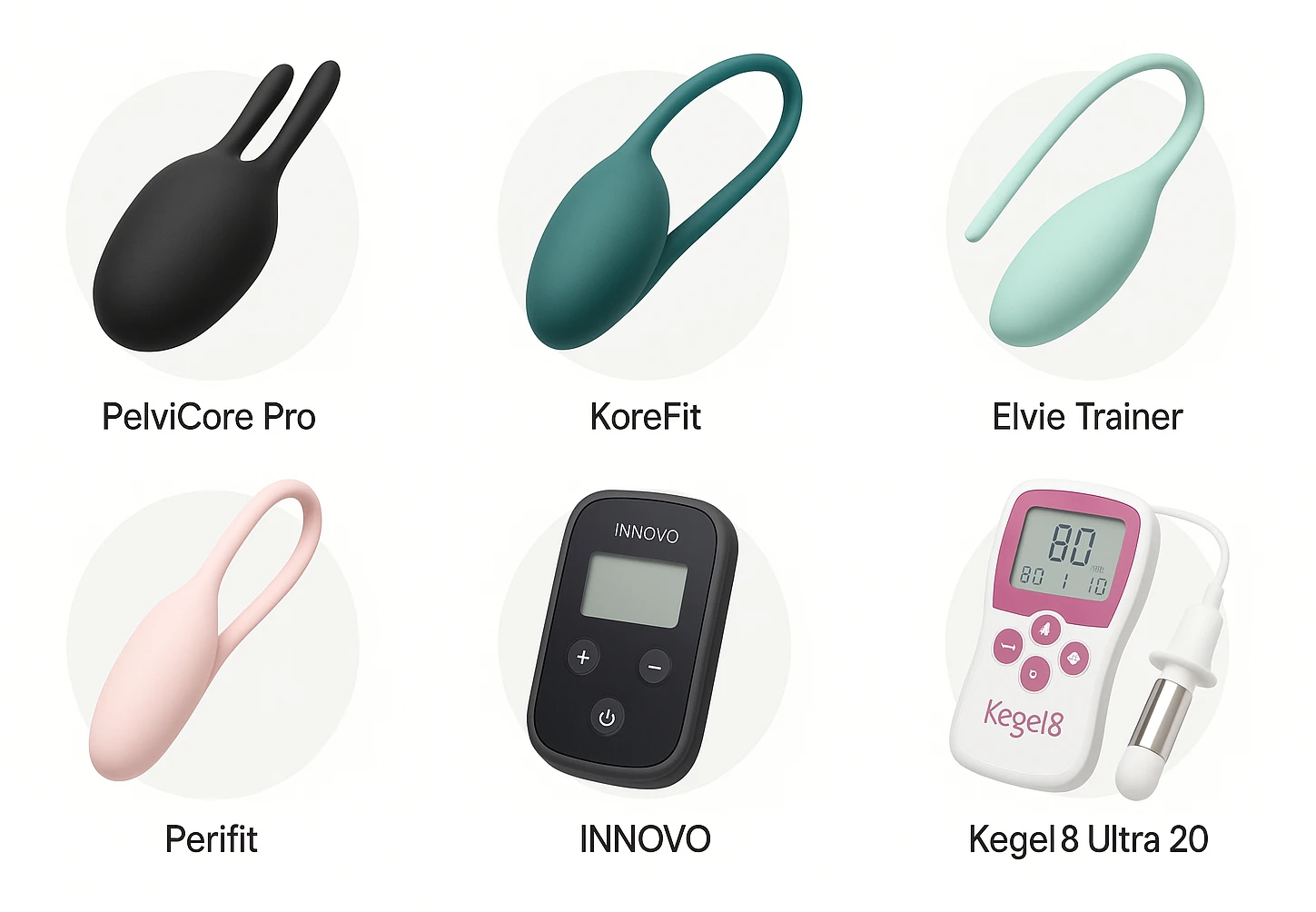
PelviCore Pro: Ultimate Biofeedback Device for Pelvic Floor Exercise 🚀
The PelviCore Pro is a top-tier biofeedback pelvic floor device, offering precision and personalization.
I noticed improvements in 2 weeks—my leaks reduced significantly. – Amanda, 36
- Type: Biofeedback Trainer
- Key Features:
- Accurate sensor for real-time muscle feedback.
- App with custom exercise plans.
- Engaging games and visuals for motivation.
- Tracks strength and endurance over time.
- Ergonomic, body-safe design.
- Pros: Precise feedback, motivating games, suitable for all levels, durable materials.
- Cons: Premium price, requires app use, slight learning curve.
- Price Range: $$$ (Premium)
KoreFit Smart Trainer: Guided Excellence 💖
The KoreFit blends smart tech and user-friendly design, ideal for guided training.
- Type: Smart Kegel Exerciser
- Key Features:
- Bluetooth app connectivity.
- Guided workouts for strength and endurance.
- Gentle vibrations for muscle awareness.
- Tracks session frequency and duration.
- Compact and portable.
- Pros: Beginner-friendly vibrations, intuitive app, affordable mid-range option.
- Cons: Less precise feedback, app-reliant, shorter battery life with vibration.
- Price Range: $$ (Mid-Range)
Bloom Pelvic Trainer: Simple and Effective 🌱
The Bloom is a beginner-friendly device for pelvic floor exercise with essential smart features.
- Type: App-Connected Pelvic Floor Trainer
- Key Features:
- Smooth silicone design for comfort.
- App with guided sessions and basic women’s-health tracking.
- Ideal for beginners.
- Convenient charging case.
- Pros: Easy to use, budget-friendly, discreet, builds routine.
- Cons: Limited feedback, basic app, not for advanced users.
- Price Range: $ (Budget-Friendly)
LunaLink Discreet: Ultra-Compact Solution 🤫
The LunaLink prioritizes discretion and portability for on-the-go use.
- Type: Smart Kegel Exerciser
- Key Features:
- Smallest design available.
- Basic app for tracking duration.
- Subtle resistance for muscle engagement.
- Long battery life.
- Pros: Discreet, simple, good for maintenance, comfortable.
- Cons: Limited feedback, not for beginners, basic app.
- Price Range: $$ (Mid-Range)
TheraPulse Duo: Advanced Biofeedback & EMS ⚡
The TheraPulse Duo is a pelvic floor stimulator combining biofeedback and EMS for versatile training, ideal for rehabilitation (consult a professional).
It significantly supported my recovery post-surgery. – Sarah, 42
- Type: Biofeedback & EMS Trainer
- Key Features:
- Dual modes: biofeedback and EMS.
- Multiple programs for strength and recovery.
- Clinical-grade accuracy.
- Comprehensive app with detailed reports.
- Pros: Versatile, precise, ideal for rehab, robust build.
- Cons: Premium price, EMS needs caution, larger size.
- Price Range: $$$ (Premium)
FlexiKegel Lite: Budget Smart Training 💡
The FlexiKegel Lite is a wallet-friendly gem for starting your pelvic floor exercise journey.
- Type: App-Connected Pelvic Floor Trainer
- Key Features:
- Cost-effective smart device.
- Basic app for session tracking.
- Easy-to-use design.
- USB rechargeable.
- Pros: Great value, beginner-friendly, portable, helps you build a solid routine.
- Cons: Limited feedback, basic app, not ideal for pros.
- Price Range: $ (Budget-Friendly)
GlowFlow Gamified Trainer: Fun and Engaging 🎮
The GlowFlow is a fun and motivating pelvic floor trainer that turns workouts into engaging games!
- Type: Biofeedback Trainer
- Key Features:
- Interactive app games controlled by squeezes.
- Clear visual feedback.
- Progress charts in a fun format.
- Community features like leaderboards.
- Pros: Engaging, motivating, great for all levels, clear feedback.
- Cons: Games may distract some, mid-range price, needs internet.
- Price Range: $$ (Mid-Range)
How to Choose the Best Pelvic Floor Exercise Device
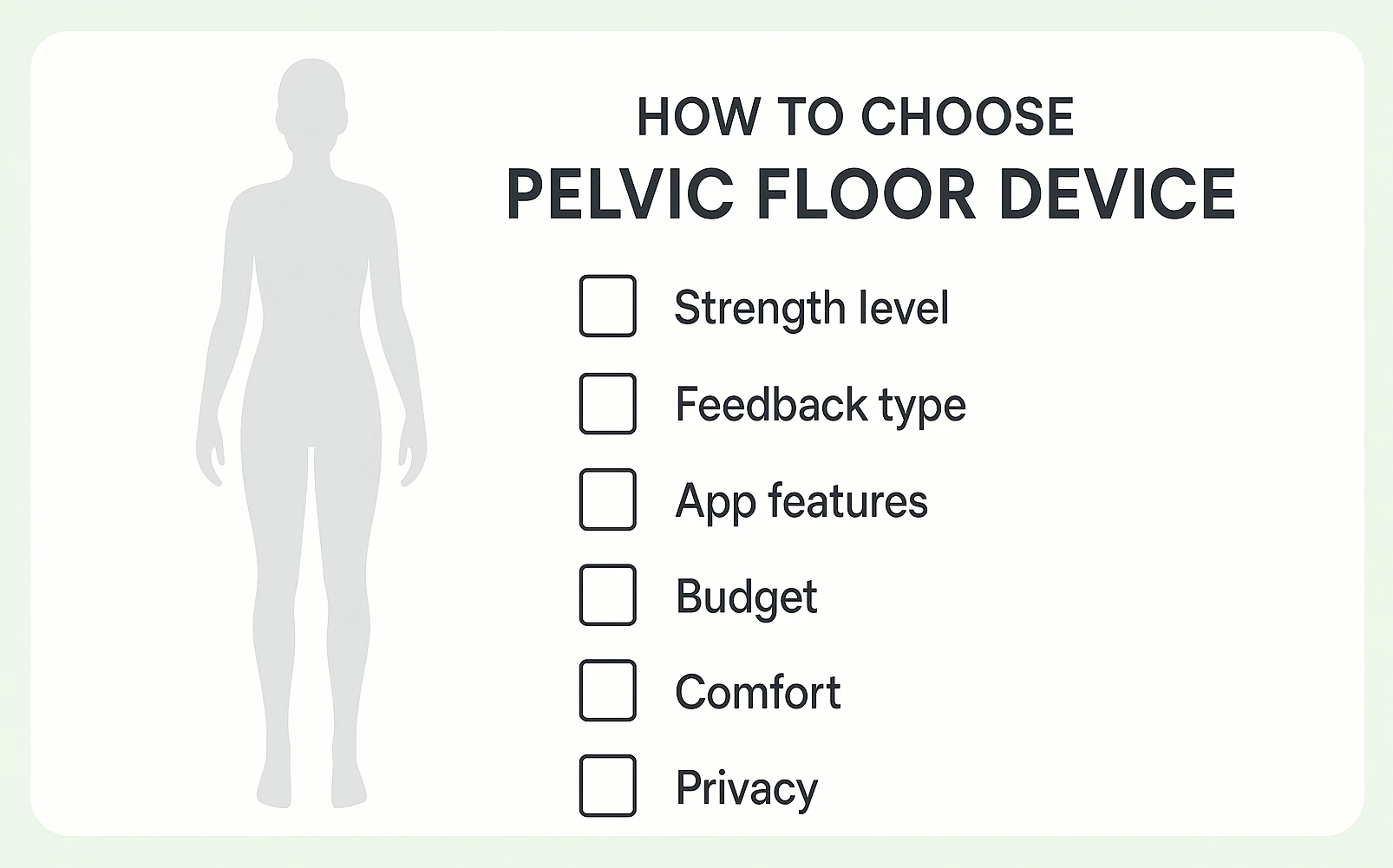
When you’re choosing a device for pelvic floor exercise, start with your current strength and feedback needs, especially if you’re preparing for or recovering from pregnancy with exercises during pregnancy:
- Pelvic Floor Strength:
- Weak/No Muscle Awareness: Choose biofeedback (PelviCore Pro, GlowFlow) or vibration devices (KoreFit). EMS (TheraPulse Duo) may help with guidance.
- Moderate Strength: Smart or app-connected devices work well.
- Strong/Maintenance: Simpler devices (Bloom, LunaLink) suffice.
- Feedback Preference: Visual (biofeedback), tactile (vibration), or basic tracking (app-based).
- App Features: Prioritize gamified workouts (GlowFlow) or simple guidance (Bloom).
- Budget: Options range from budget ($), mid-range ($$), to premium ($$$).
- Comfort: Choose body-safe silicone and comfortable shapes.
- Privacy: Opt for discreet designs like LunaLink.
- Professional Guidance: Consult a pelvic floor therapist for severe issues or pain to make the most of your pelvic floor device.
Safety & When to Seek Care
If you have pelvic pain, prolapse, recent surgery, or trouble identifying the right muscles, check in with a pelvic health clinician. A short assessment can help tailor exercises or tool settings so your plan stays safe and effective.
Tips for Using Your Pelvic Floor Device Effectively
Want to get the most out of your pelvic floor exercise device? Here’s my go-to advice:
- Read the Manual: It’s a lifesaver for figuring out insertion and the app.
- Start Slow: Try short 10-minute sessions a few times a week.
- Nail the Technique: Squeeze up and in without tensing your butt or abs.
- Keep Breathing: Don’t hold your breath—stay relaxed!
- Stick With It: Regular sessions are key to seeing real results.
- Track Your Wins: Use the app to watch your progress grow.
- Clean Carefully: Use mild soap or a device-specific cleaner.
- Listen to Your Body: If you feel pain, stop and check with a pro.
Quick Summary: Top Picks
- Best Overall: PelviCore Pro
- Best Budget: FlexiKegel Lite
- Best for Rehab: TheraPulse Duo
- Most Fun: GlowFlow Gamified
Top 3 Devices: Pros & Cons
| Device | Pros | Cons |
|---|---|---|
| PelviCore Pro | Accurate feedback, engaging games, suitable for all levels | Expensive, app-required, slight learning curve |
| Bloom Pelvic Trainer | Budget-friendly, beginner-friendly, discreet | Limited feedback, basic app, not for advanced users |
| TheraPulse Duo | Versatile, precise, ideal for rehab | Premium price, EMS needs caution, larger size |
Pelvic Floor Exercise Device Comparison Chart
Pick a type and budget to see your best matches—tap Beginner if you’re new.
This tool helps you compare devices to find the best device for pelvic floor exercise for your needs.
Every pelvic floor device listed here offers different features to suit your goals, preferences, and budget.
Select options to see recommendations.
💡 Use a preset or adjust filters. No sign-in or tracking—just simple filters to compare.
| Device Name | Type | Key Features | Price Range | Rating |
|---|
Frequently Asked Questions About Devices for Pelvic Floor Exercise
Conclusion
Stronger pelvic floor muscles can support comfort and confidence. With 2025’s advanced devices for pelvic floor exercise, you can train effectively. Whether you’re a new mom, addressing leaks, or enhancing core strength, there’s a device tailored for you. Choose wisely, stay consistent, and support your pelvic health journey with the right pelvic floor device today!