

“Natural dopamine boosters” is a popular label, but it is not a personal lab result, a diagnosis, a mood score, or a plan for treating low motivation, fatigue, anxiety, depression, attention concerns, or another health condition.
Brain-chemical language is one of the most common ways women’s mental wellness gets oversimplified. The useful distinction is between a popular chemical label and the actual question underneath it: a change in mood, motivation, sleep, concentration, stress, health, or something else. This page explains that distinction, what dopamine research can support, where product claims overreach, and when a different support route makes more sense. It does not measure dopamine or prescribe a routine or supplement.
Table of Contents
- What “natural dopamine boosters” usually means
- Dopamine, reward, and reinforcement
- What a dopamine score cannot tell you
- Why routines and products are not personal treatment
- When to use a different route
- Lower-risk choices without a dopamine plan
- Common questions
- Keep the question larger than a chemical label
What “natural dopamine boosters” usually means
Advice labelled natural mood enhancers or dopamine boosting activities often promises a simple route to feeling different. That language can carry more certainty than the evidence supports. A person may be dealing with a change in mood, sleep, concentration, energy, stress, loss of interest, medication effects, illness, pain, a major life change, a relationship concern, or something else entirely. A web label cannot identify the cause.
“Natural” does not make an idea measured, harmless, appropriate, or suited to a specific person. If a provider is offering to build you a plan around any of it, what to establish before booking applies here too. It also does not turn an ordinary preference—such as music, food, movement, creative work, rest, time outdoors, or social contact—into a dopamine treatment.
Dopamine, reward, and reinforcement
The U.S. National Institute on Drug Abuse’s explainer on drugs and the brain describes dopamine as central to reinforcement in the brain’s reward circuit. Its explanation notes that natural rewards can be associated with smaller bursts of neurotransmitters and that dopamine is thought to have more to do with reinforcing repeatable pleasurable activities than producing pleasure directly.
That is useful background, not an invitation to calculate a personal dopamine percentage. The source does not say that a checklist can measure an individual’s dopamine, that lifestyle choices restore dopamine, or that a person’s habits explain a health or mental-health concern.
What a dopamine score cannot tell you
A score based on food, exercise, sunlight, sleep, meditation, productivity, or social contact is not a dopamine test. It cannot diagnose a condition, explain a symptom, determine severity or urgency, predict a result, decide that a person needs therapy, or tell someone which activity, supplement, or treatment to use.
A score can also create needless pressure. Someone may have limited time, access, money, mobility, privacy, daylight, safety, caregiving support, food choice, or capacity. None of that becomes a personal failing or a biochemical status because a checklist assigns points.

Why routines and products are not personal treatment
Food, movement, rest, creative work, time outside, social contact, relaxation practices, and supplements are often grouped under this search term. They do not have one shared effect, one safe amount, one evidence level, one cost, or one relationship to a person’s health. Supplements and products can have ingredients, quality, side effects, interactions, and other context that a general article cannot assess. For the product-specific version of the question, natural dopamine and serotonin supplements separates supplement claims from personal treatment decisions.
Do not use a “dopamine” plan to change medication, delay care, self-treat distress, replace eating support, manage a substance-use concern, or make a health decision. A headline, product card, affiliate link, influencer claim, quiz, or article is not a substitute for appropriately qualified individual support.
When to use a different route
Choose a different route for persistent, severe, unsafe, or difficult-to-manage changes in mood, energy, concentration, sleep, appetite, functioning, pain, medication concerns, pregnancy/postpartum questions, eating concerns, substance-use concerns, or a need for treatment. A page, scorecard, coach, retreat, product, or app cannot diagnose, assess urgency, determine readiness, or prescribe a response.
If you or someone else may be in immediate danger, contact local emergency services now. In the United States, the women’s mental wellness hub links to NIMH’s current 911/988 crisis guidance; outside the United States, use local emergency or crisis support. Where there is fear, coercion, stalking, threats, control, monitoring, isolation, or violence, do not treat a wellness routine or a relationship conversation as a safety plan.
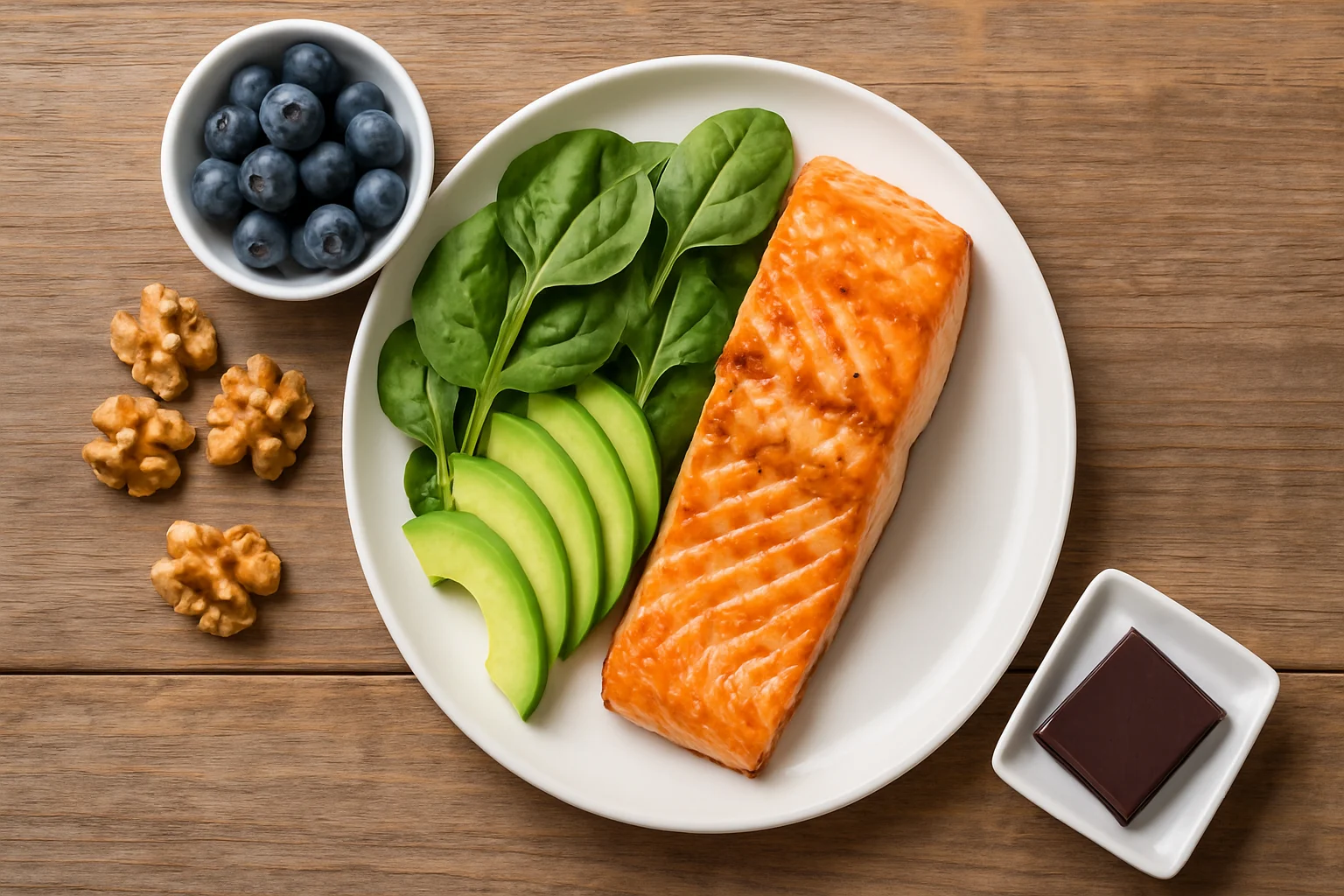
Lower-risk choices without a dopamine plan
Not every choice needs a chemical explanation. Small options that need nothing bought make the same point without the neuroscience, and what a scented-bath product can actually claim covers one of the products most often sold on this framing. You may choose an optional, ordinary activity because you want to, because it is available, because it is enjoyable, or because it fits your boundary. You may also choose rest, a pause, a change of plan, no activity, or no product. None of those choices needs to be tracked as proof of progress.
If saying no to any of it is the difficult part, how other people word a limit transfers directly. If an activity feels pressured, unsafe, physically uncomfortable, financially burdensome, or like a replacement for needed support, it is reasonable to stop or take a different route.
Common questions

Keep the question larger than a chemical label
Dopamine is part of a complex reward and reinforcement system, not a shortcut for explaining a person’s motivation, mood, or health. It is reasonable to keep ordinary choices ordinary and to seek an appropriate route when the question is bigger than an activity or product. You do not need a score, a plan, or a purchase to make a valid choice.