

Sexuality after hysterectomy can be optional, non-sexual, paused, or revisited only with individual surgical guidance. Readiness, symptoms, and a post-surgical plan are not things a description can settle from the outside. Intimacy after surgery is not one timeline, and sexual wellness after hysterectomy depends on the procedure, recovery, and what you actually want. What follows helps you prepare questions, honour consent, and find the next relevant conversation. None of it is medical advice, clearance, treatment, or a readiness test. For broader context, see our women’s pelvic health hub.
Table of Contents
- Start with permission and guidance
- What the surgery does and does not change
- If the ovaries were removed
- The part nobody schedules
- Know when to contact care
- Prepare for a post-surgery conversation
- Choose one supportive next step
- The Question You Have Not Asked Yet
- Common questions
- Leave with one honest next step
Start with permission and guidance
Recovery, procedure details, symptoms, medications, emotional readiness, and a surgeon’s instructions can differ. No calendar, quiz, or online checker can establish readiness for any activity. You do not owe a partner a timeline or a particular kind of intimacy. A pause, a boundary, a clinician question, or non-demanding connection may all be valid.
What the surgery does and does not change
“Hysterectomy” covers several different operations, and which one you had matters more to this question than the word itself. Your own surgical team is the only source for what applies to you — but knowing roughly what the terms mean makes that conversation shorter.

The uterus is removed in all of them. Beyond that they differ: whether the cervix was also removed, and whether the ovaries were. Those two variables account for most of the difference in what people notice afterwards, and they are decided separately from each other.
Where the cervix is removed, the top of the vagina is closed — often called the vaginal cuff — and that closure needs time to heal, which is the reason surgical teams give restrictions on anything entering the vagina for a defined period. That period is set by your team for your situation, and it is the one instruction here not to improvise around. Where the cervix is kept, the recovery instructions are often different, which is part of why timelines found online contradict each other so freely. The surgical approach, the reason for the operation, and how recovery actually goes all feed into it as well, which is why the instruction that matters is the one from your own team rather than any general timeline.
What a hysterectomy does not do is remove the external genitals or the nerves and tissue involved in arousal and orgasm. It ends periods and the ability to carry a pregnancy. Beyond that, a great deal of what people report varies widely between individuals, and reports run in every direction — some describe things being easier afterwards, particularly where pain or bleeding was the reason for surgery; some describe things being different in ways they did not expect; many describe no lasting change. None of those is the standard outcome, and none of them predicts yours. If the surgery involved is different — a mastectomy rather than a hysterectomy — the underlying questions are largely the same ones; our guide to intimacy after mastectomy covers that territory.
If the ovaries were removed
This is the single most useful thing to establish, and it is frequently missed in the discharge conversation because there is a lot else happening that day.
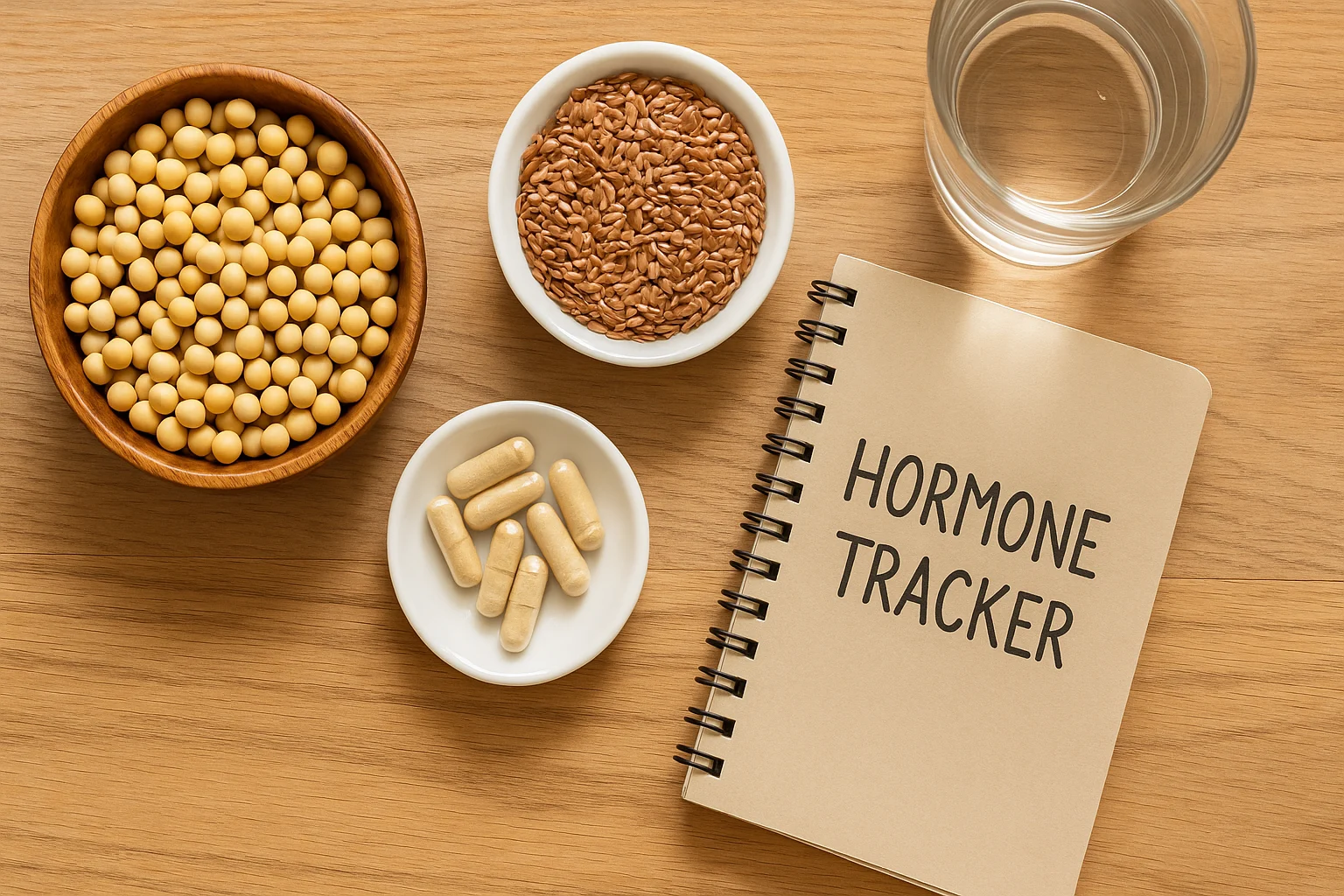
The ovaries are what produce oestrogen. If they were removed and you had not already been through menopause, menopause begins immediately rather than gradually — usually called surgical menopause. That is a genuinely different experience from the natural version, which unfolds over years and gives the body time to adjust. If the ovaries were left in place, this does not apply, even though the uterus is gone.
It is relevant here because oestrogen affects vaginal tissue and lubrication, and because sleep, mood, and energy are all commonly affected — and every one of those has an obvious bearing on intimacy. Someone who does not know their ovaries were removed can spend a long time reading their experience as a personal or relationship problem when a hormonal change is part of the picture.
So it is worth knowing the answer, and it is a reasonable thing to ask outright: “Were my ovaries removed, and if so, what does that mean for me?” There are recognised approaches to discuss if it applies, and they belong in a conversation with your clinician — not on a page that cannot examine you or know your history.
Dryness, discomfort, or a change in desire are things to raise, not things to absorb. They are common enough to be a routine conversation and specific enough to be worth naming plainly. A clinician cannot help with a symptom they have not been told about.
The part nobody schedules
Discharge notes cover lifting, driving, wound care, and when to call. They rarely mention that this surgery can land emotionally in a way that surprises people, and that the surprise itself is common.

For some people there is real grief — about fertility that has ended, about a choice that felt made for them by circumstance, or about something harder to name. That can be true at the same time as relief, and often is, particularly where the surgery ended years of pain or bleeding. Both feelings can be present without either one cancelling the other out, and neither needs justifying.
Bodies also take a while to feel like yours again after any surgery, and wanting nothing for a while is an ordinary response to that rather than evidence of a problem. Desire changing during recovery is not a verdict on a relationship, and treating its return as a milestone to hit tends to make it less likely rather than more.
If low mood, anxiety, or distress persists or gets heavier, that is worth raising with your clinical team in the same way a physical symptom would be. It is a recognised part of recovery for some people, and asking about it is not a detour from the medical conversation — it is part of it.
For the conversation with a partner, saying what kind of closeness is welcome today is usually more workable than trying to explain the whole of it at once. Naming one thing at a time is a smaller ask than a full account, and it leaves room to change your mind.
Know when to contact care
Contact the surgical or clinical team for new, persistent, or concerning symptoms, questions about recovery instructions, or worries about comfort. Seek urgent medical care for heavy bleeding, fever, severe or sudden pain, fainting, chest pain, shortness of breath, or rapidly worsening symptoms. Do not use an intimacy checklist to work through possible complications.
Post-surgical symptoms and readiness require individual clinical assessment—not procedure-based timelines, an online score, or a product. If you are unsure whether a symptom needs urgent attention, contact the surgeon’s office or an appropriate urgent service.
Prepare for a post-surgery conversation
Write down the procedure you had, the instructions you were given, what you notice, when it started, and the question you want answered. You can ask the surgical team about recovery restrictions, symptoms, comfort, medication effects, and whether a referral may be appropriate. You can also tell a partner what kind of closeness, if any, feels welcome today.
Before you talk to your team
Choose one supportive next step
This is not a post-hysterectomy readiness checker, medical screen, or sexual technique guide. It returns one clinician question, a pause, or a low-pressure connection option. If a symptom may need prompt care, stop using the planner and follow the care guidance above instead.
Choose both options to see your result.
If there is a question you keep meaning to ask your surgical team, it is easier to write it down somewhere private first than to find the words in the room.
The Question You Have Not Asked Yet
Nobody else reads it. And bringing a written note into an appointment is completely ordinary — it just means the awkward question actually gets asked.
Confirm your email to receive it. Occasional emails, unsubscribe anytime.
Something went wrong. Please check your email address and try again.
Common questions
Leave with one honest next step
The next step may be a question for the surgical team, a clear boundary, a request for non-demanding closeness, or time alone. Recovery and intimacy are not a score or deadline.
This article provides general relationship and health education. It is not medical advice, diagnosis, treatment, surgical clearance, or a substitute for individual care. Follow your surgical team’s instructions. Seek urgent care for heavy bleeding, fever, severe or sudden pain, fainting, chest pain, shortness of breath, or rapidly worsening symptoms.