

If you are trying to understand how to use a pelvic floor massage tool, begin with individualized guidance about whether one fits your symptoms at all. A pelvic floor massage tool is not a do-it-yourself diagnosis or a universal treatment. Internal pelvic symptoms and pain can have many causes, and a webpage cannot tell you whether a tool is appropriate, where to use it, how much pressure is safe, or what result to expect. If a qualified pelvic-health clinician recommends one for you, ask them to teach the specific approach for your body and recovery. For the wider picture, start with our women’s pelvic health hub.
Table of Contents
- What you cannot work out on your own
- Start with appropriateness
- Questions to bring
- Stop and contact care
- A product is not a care plan
- Common questions
- Choose a supported next step
What you cannot work out on your own
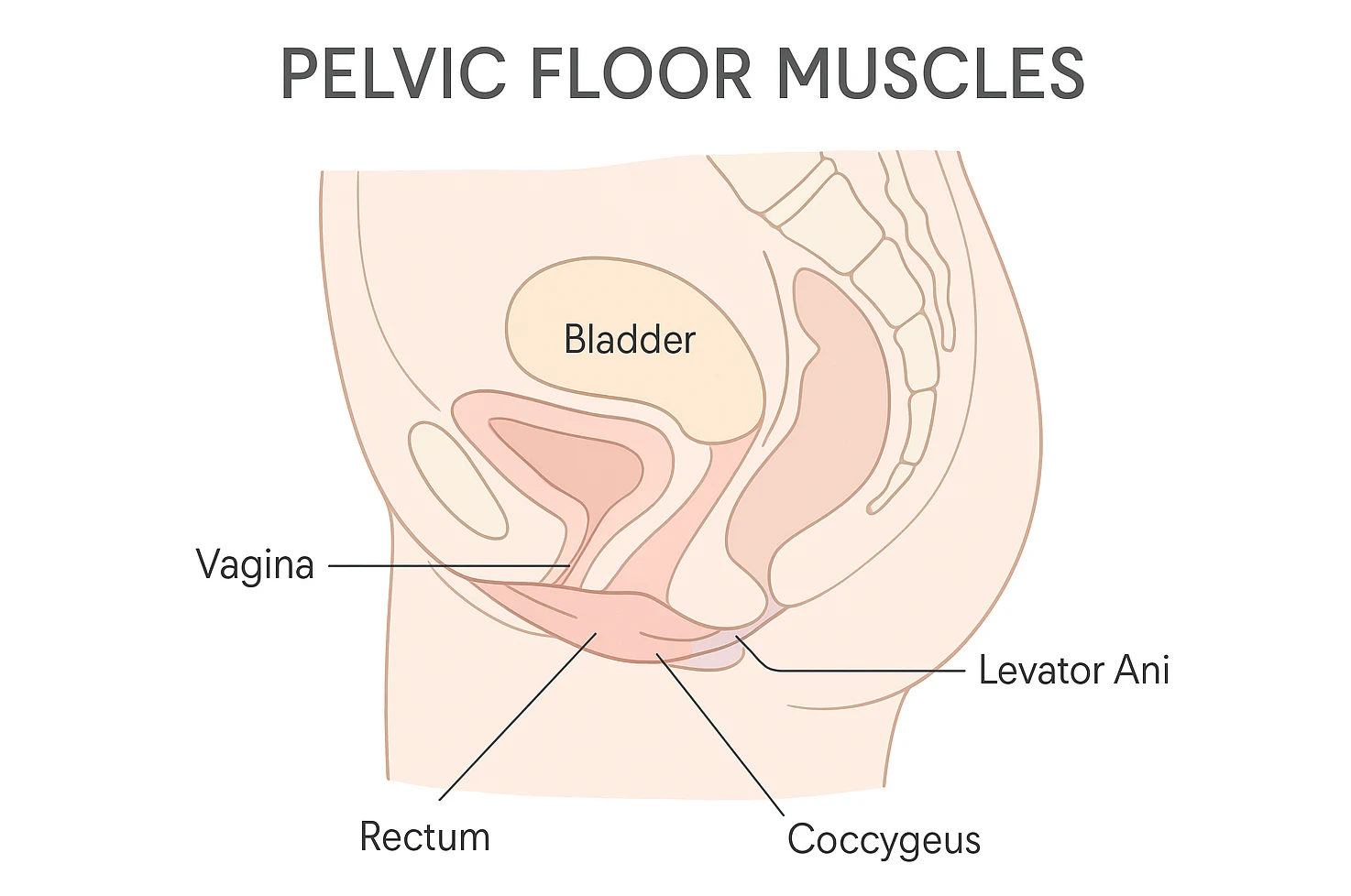
It can help you prepare for an appointment and notice when to pause. It cannot assess muscles, identify a tender area, diagnose a cause of pelvic symptoms, choose an internal tool, or provide individualized technique. Do not use online diagrams, a “clock” map, a quiz, or a product description as a substitute for examination and instruction.
It is reasonable for a clinician to say a tool is not needed, not appropriate now, or not the next step. That answer is care, not a failure.
Start with appropriateness
Before using any internal pelvic tool, ask a qualified clinician who can take account of your symptoms, medical history, surgery or birth recovery, medications, skin or tissue concerns, and goals. A tool may be discussed in some care contexts; that does not make it right for every person or every symptom. If you are new to this area entirely, the beginner pelvic floor support page is a gentler place to start before considering a tool.
Do not use pain as a target to work through. Stop if something hurts, feels frightening, causes bleeding, or does not feel right. A clinician can help you decide what follow-up is appropriate rather than treating discomfort as proof that you found the “right” place.
Questions to bring
| Question | Why ask it |
|---|---|
| “Is an internal pelvic tool appropriate for me at all?” | It centers suitability before technique or a purchase. |
| “What is the goal of discussing this, and how would we know if it is not helping?” | It avoids a vague promise of relief or “release.” |
| “Can you show me the approach you recommend for my situation?” | It keeps individual instruction with a qualified professional. |
| “What should make me stop and contact you?” | It creates a clear reversal route. |
| “Are there other options or referrals I should consider?” | It prevents one tool becoming the only answer. |
Stop and contact care
Do not continue with a tool or self-directed internal technique when you have pain, bleeding, fever, new or worsening symptoms, urinary or bowel changes, numbness, dizziness, fear, or uncertainty about whether it is appropriate. Contact a qualified clinician for individualized advice. Seek urgent care appropriate to your area for severe or sudden pain, heavy bleeding, fever, inability to pass urine or stool, blood in urine or stool, or rapidly worsening symptoms.

A product is not a care plan
Buying a tool does not establish that it suits your body, recovery, or symptoms. A marketing page cannot teach clinical use, diagnose a condition, or replace an examination. If a clinician has already recommended exploring tools, the pelvic floor massage tool guide explains how to approach a product decision cautiously; it still does not replace individual instruction.
Common questions
Choose a supported next step
The safest next step is not a self-massage protocol. It is a question for a qualified clinician, a clear stop point, and time to decide whether any tool belongs in your individual care. You do not need to buy or use anything to prove that you are addressing pelvic symptoms.